

When the Gut Cries Out for Help
It often begins quietly — a little bloating, fatigue after meals, or a skin flare-up that comes and goes.
But over time, your gut’s cry for help becomes louder: gas, cramps, food sensitivities, unpredictable bowels, brain fog, or anxiety that doesn’t make sense.
The gut is more than a digestion system. It’s the command centre for your immune system, hormones, and mood.
When its delicate lining becomes inflamed or when the good and bad microbes lose balance, symptoms can appear anywhere in the body — from your joints and skin to your thoughts and emotions.
What looks like ten different problems often has one root cause — a struggling gut.
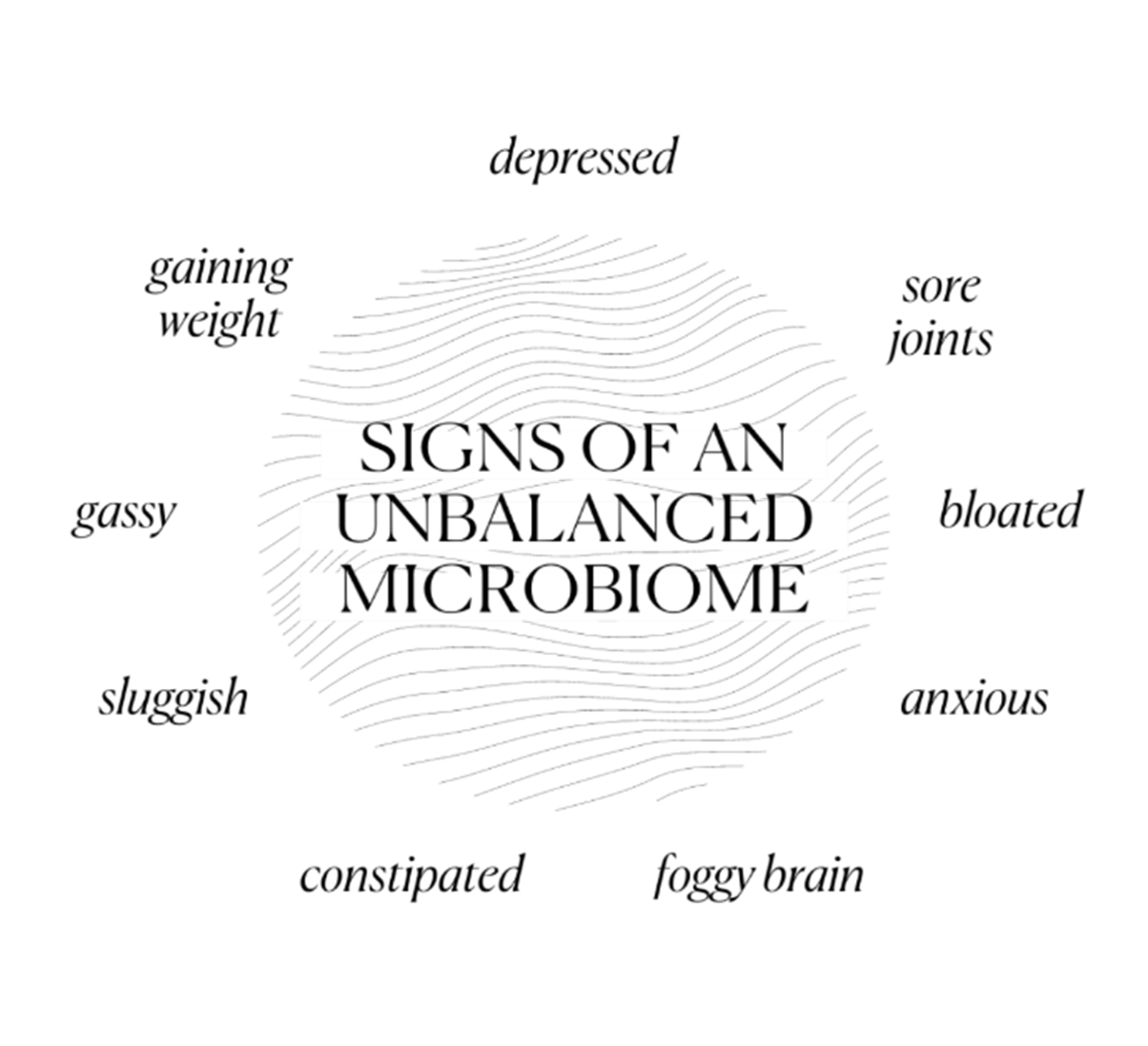
Gut-Related Symptoms Checklist
Your gut is more than a digestion system — it’s your inner ecosystem. When the microbiome and gut lining lose balance, the effects can echo throughout your entire body — from your hormones and brain to your skin and mood.
Digestive Symptoms
Hidden Connections
The Whole-Body Impact
Digestive Symptoms — When Your Gut Cries Out for Help
☐ Bloating or abdominal distension
☐ Gas, burping, or excessive flatulence
☐ Constipation or diarrhea (or both alternating)
☐ Abdominal cramping or discomfort
☐ Nausea, reflux, or heartburn
☐ Undigested food or mucus in stool
☐ Loss of appetite or excessive hunger
☐ Food intolerances or sensitivities
Common Conditions
☐ Irritable Bowel Syndrome (IBS)
☐ Crohn’s Disease
☐ Ulcerative Colitis
☐ Celiac Disease
☐ SIBO (Small Intestinal Bacterial Overgrowth)
☐ Candida or yeast overgrowth
☐ Parasitic infections
☐ Leaky Gut Syndrome
When digestion struggles, inflammation and imbalance begin. The first step toward healing is restoring the gut lining and feeding the beneficial microbes that keep everything in harmony.
Hidden Connections — When Gut Problems Hide in Plain Sight
Immune & Inflammatory
☐ Frequent colds or infections
☐ Chronic inflammation or pain
☐ Autoimmune conditions (Hashimoto’s, psoriasis, arthritis)
☐ Allergies, sinus issues, or histamine reactions
Hormonal & Endocrine
☐ PMS, irregular cycles, or painful periods
☐ Fertility challenges or PCOS
☐ Estrogen dominance (bloating, mood swings, breast tenderness)
☐ Thyroid imbalances or adrenal fatigue
☐ Blood sugar crashes or sugar cravings
Neurological & Emotional
☐ Brain fog or poor concentration
☐ Anxiety, panic attacks, or depression
☐ Hyperactivity, impulsivity, or restlessness (ADHD-type)
☐ Sleep disturbances or insomnia
☐ Headaches or migraines
The gut and brain communicate through the vagus nerve and chemical messengers. When microbes send distress signals, mood, focus, and hormones all respond.
Whole-Body Impact — When the Gut Affects Everything
Skin & Detoxification
☐ Acne, eczema, rosacea, or rashes
☐ Dull or inflamed complexion
☐ Chemical sensitivity or intolerance to alcohol, perfumes, or cleaning products
☐ Bad breath or body odour
Energy & Metabolism
☐ Fatigue, even after rest
☐ Weight gain or inability to lose weight
☐ Cravings for sugar or refined carbohydrates
☐ Dizziness or shakiness between meals
☐ Low motivation or energy dips during the day
Nutrient & Structural
☐ Iron, zinc, or B-vitamin deficiencies
☐ Poor bile flow or fat digestion
☐ Slow motility or constipation due to low vagal tone
☐ Weak immune tolerance (over- or under-reactive immunity)
Healing your gut means healing your whole body — it’s where hormones are recycled, vitamins are made, and 70% of your immune system lives.
Ready to uncover what your gut is really trying to tell you?
Begin with a Discovery Form, or explore the GAPS Diet and Microbiome Reset sections to learn how food and lifestyle can restore balance from the inside out.
Your Inner Ecosystem
Your microbes are the unseen gardeners of your health. They ferment fibres into healing short-chain fatty acids, make vitamins, regulate hormones, and even create neurotransmitters that influence mood and sleep. When they’re thriving, so are you.
When your gut is out of balance, it’s not just your digestion that suffers — it’s your inner ecosystem.
Deep inside your intestines live trillions of microbes — bacteria, fungi, and other microscopic partners that help you digest food, calm inflammation, and keep harmful invaders in check.
When stress, antibiotics, pesticides, and processed foods disturb this harmony, the wrong species flourish while the protective ones fade away. But when they’re starved, poisoned, or overwhelmed, inflammation spreads silently. That’s when the real trouble begins.

The result?
A tired body, restless mind, hormonal chaos, and a sense that “something is off” no matter what you try.
We Are More Microbe Than Human
We often think of ourselves as a single human organism — but the truth is far more astonishing.
We are only about 10% human cells and nearly 90% microbial.
If you counted each cell in your body, the vast majority wouldn’t be “you” at all — they’d belong to the trillions of bacteria, fungi, and viruses that live on your skin, in your mouth, and deep inside your gut.
These tiny beings outnumber your human cells, influence 99% of your genetic activity, and help run almost every system in your body.
They digest your food, train your immune system, balance your hormones, and even produce the chemicals that shape how you think and feel.
So a human being is a mixture of human cells and microbes, and to stay healthy and vibrant into old age, we need to nurture our healthy microbes through the Five Pillars of Health.
Your Inner Garden
Picture your microbiome as a lush, living garden.

When the soil is rich and balanced, healthy plants — your beneficial microbes — flourish, protecting you from weeds, pests, and disease. But when the soil becomes dry or poisoned through antibiotics, stress, sugar, and processed food, the weeds take over. Soon, what was once a vibrant garden turns depleted — and your body starts to reflect that.
Healing begins by tending this inner soil: watering it with nutrients, feeding it with real food, and pulling out what no longer serves you.
That’s what a Microbe Reset does — it restores diversity, balance, and vitality to the ecosystem that keeps you alive.

The Microbial Symphony
Every meal you eat, every breath you take, every chemical you absorb — your microbes respond.
When you nurture them with fibre-rich, unprocessed, living foods, they reward you by creating vitamins, short-chain fatty acids, and neurotransmitters that support calm, energy, and focus.
When they’re starved or poisoned, inflammation rises, mood drops, and your body begins to feel foreign to itself.
So instead of fighting symptoms, we rebuild the symphony.
We calm inflammation, plant beneficial species, and let your body’s natural intelligence do what it was designed to do: thrive in harmony with its microbial world.
You’re not just one person — you’re an entire living ecosystem.
When your microbes thrive, you thrive.
Ready to nourish your inner garden?
The Microbe Reset is about restoring harmony — feeding the right organisms, calming the immune system, and rebuilding the gut lining so that healing can begin at the deepest level.
It’s not a detox or a quick fix. It’s a gentle re-wilding of the inner terrain you were born with.
When you nurture your microbes, they nurture you.

Microbe Reset – Reclaim Your Inner Ecosystem
Your body is home to trillions of microbes — a living, breathing ecosystem that keeps you healthy, balanced, and resilient.
When this community thrives, your digestion runs smoothly, your energy is stable, your hormones stay in sync, and your mood feels calm and clear.
But modern life has disrupted this delicate balance.
Antibiotics, processed foods, chronic stress, pesticides, and even sleep deprivation can starve the beneficial microbes that keep you well — allowing harmful ones to take over. The result?
A tired body, an anxious mind, unpredictable hormones, and symptoms that seem to appear out of nowhere.
The Microbe Reset is about rebuilding that inner ecosystem — layer by layer.
It’s not a “detox” or a quick fix, but a guided process that restores harmony between you and the trillions of microbes that call you home.
Through targeted nutrition, mindful eating, and lifestyle shifts, we calm inflammation, repair the gut lining, and create the right environment for your beneficial bacteria to flourish again.
When you nurture your microbes, they nurture you.
They make vitamins, regulate your immune system, and even produce neurotransmitters that shape how you feel, think, and sleep.
A healthy microbiome doesn’t just fix digestion — it transforms your whole experience of being alive.
Ready to reset your inner world?
Explore how a Microbe Reset can help you restore calm, energy, and vitality from the inside out.
Transition to Diets
Once you understand the language of your microbes, you can begin to feed them what they truly need.
Food becomes information, not just fuel — it tells your body whether to heal or to inflame.
This is where therapeutic diets come in, not as rigid rules, but as tools to support repair and balance.
Find Your Healing Path Through Food
Not every diet heals. But the right one—designed for your body, your symptoms, and your lifestyle—can transform everything.
I’ve seen firsthand how food can become a powerful tool for reversing symptoms, calming the nervous system, restoring energy, and even clearing up skin, gut, mood, and focus issues.
In my practice, I don’t believe in one-size-fits-all. That’s why I use a selection of therapeutic diets, each one chosen based on your unique story, symptoms, and needs. Below, you’ll find a curated overview of the core healing diets I work with.
For each, I’ve included:
• A short description to help you understand the basics
• Key benefits—what this approach is especially good at
• Possible drawbacks—so you know what to expect
• A “Read More” for the GAPS diet if you’re curious to dive deeper
Whether you’re here because of brain fog, anxiety, weight gain, autoimmunity, food sensitivities, bloating, chronic fatigue, or something you just can’t quite name yet—know this:
You’re not broken. There’s a way forward. And this might just be the beginning of it.
Matching the Right Diet to Your Body and Symptoms
There is no one perfect diet for everyone. The foods that heal one person may overwhelm another — especially when chronic symptoms, sensitivities, or past trauma are involved. That’s why we start with your symptoms and build a plan that supports your healing timeline.
You’ve lived with discomfort for long enough. Let’s help your body feel safe again.
Let your gut — and your whole self — begin to trust and thrive.
Food as Medicine – Diets That Heal
Every bite you take shapes your microbiome and your metabolism.
The right foods calm inflammation, strengthen the gut barrier, and give your microbes the nourishment they need to restore harmony.
Depending on your symptoms and stage of healing, we may explore the following diets.
None of these are meant to be permanent restrictions — they’re stepping stones back to balance.
As the gut heals, the range of foods your body can tolerate expands, and eating becomes joyful again.
Common Healing Diets I Use in My Practice:
GAPS Diet (Gut and Psychology Syndrome)
Paleo
Carnivore (Meat-only)
Autoimmune Paleo (AIP)
Keto / Low-Carb
Intermittent Fasting
Elimination Diets
Low-Oxalate or Low-Salicylate Diets
Plant-Forward or Paleo-Vegan
Modified GAPS
Low FODMAP
GAPS Diet (Gut and Psychology Syndrome)
For gut-brain healing, neurological issues, and autoimmunity.
The GAPS diet is a therapeutic, whole-foods-based approach designed to heal the gut lining and rebalance the microbiome. It’s especially helpful for those with neurological symptoms, autoimmune conditions, digestive distress, or chronic inflammation. The diet begins with an Intro Phase and transitions to a Full GAPS phase.
Pros:
• Deep gut healing, especially for leaky gut and brain-gut connection
• Reduces symptoms of ADHD, autism, anxiety, and autoimmune flare-ups
• Emphasizes nutrient-dense, traditional foods like bone broth and fermented vegetables
Cons:
• Restrictive, especially in the beginning
• Can feel overwhelming without proper guidance
• Requires time and patience — it’s not a quick fix
If you feel like your nervous system is inflamed and your gut never settled, GAPS may be your first healing home.
GAPS: The Gut and Psychology Syndrome Diet
Sometimes, when nothing seems to help — when digestion is painful, moods are low, and the world feels overwhelming — it’s not that you’re broken.
It’s that your gut, the very core of your being, is crying out for healing.
The GAPS Diet is not just another “eating plan.” It’s a therapeutic approach that gently restores balance to the gut and, through it, to the mind and body.
Developed to help those with chronic inflammation, neurological conditions, and deep digestive imbalances, GAPS works by removing the irritants and deeply nourishing what’s been neglected.
At its heart, the GAPS Diet focuses on:
- Healing the gut lining and restoring the integrity of the digestive tract
• Rebalancing the microbiome — the trillions of bacteria that affect your immune system, energy, and mood
• Eliminating gut-damaging foods, like grains, starchy vegetables, sugar, and processed ingredients
• Flooding the body with nourishing, traditional foods: bone broth, fermented vegetables, grass-fed meats, and healthy fats
A Phased Approach to Deep Healing
The GAPS protocol unfolds in two phases, each one allowing the body to repair at its own pace:
- The Introduction Diet (Six Stages)
This is where the deep healing begins.
Each stage builds upon the last, slowly reintroducing foods as the gut becomes stronger.
It may feel like going back to basics — and that’s exactly the point.
- The Full GAPS Diet
Once the introduction is well tolerated, the full GAPS diet can be followed — still free of grains and refined carbs, but now more diverse, vibrant, and joyful.
It becomes a way of life — simple, satisfying, and supportive.
“The GAPS diet isn’t just another trend — it’s therapeutic medicine. Done right, it can transform your digestion, mood, and focus. Done wrong, it can make you feel worse. Don’t guess. Let’s build the version of GAPS your body actually needs.”
- Calmer digestion and reduced bloating
- Sharper mental clarity
- Emotional stability and mood improvement
- Reduced inflammation and autoimmune flares
- Relief from symptoms of autism, ADHD, anxiety, and more
After the Benefits Commonly Experienced list → drop the short Compassionate CTA to reassure and gently invite them forward.
“Healing your gut is powerful — but it’s not easy to do alone. The GAPS diet can feel overwhelming without guidance.
I’ll walk with you step by step, adjusting the approach for your body and your pace, so you feel safe and supported.”
How I Work — A Personalised, Gentle Approach
No two people arrive at healing from the same place. That’s why I don’t offer one-size-fits-all plans or hand you a rigid food list and send you on your way.
Instead, I listen — to your body’s story, your history, your symptoms, your energy. From there, we co-create a healing path that feels safe, doable, and deeply personal.
Sometimes that path starts with the GAPS Diet. Sometimes, when the body is extremely reactive or inflamed, we begin even more gently.
For the Ultra-Sensitive Body: A Gentle Reset
For some, even starting GAPS can feel too overwhelming. When your body reacts to everything — even healing foods — we begin with something even simpler.
A short, meat-only pre-phase may be used as a calming reset for the most sensitive individuals. This approach gives the immune system a break, reduces inflammation, and gently prepares the gut for the deeper healing ahead.
This isn’t something to try alone.
It’s a carefully guided phase I use in special cases, based on your history, symptoms, and readiness. If your system feels too fragile for fermented foods or vegetables right now, that doesn’t mean healing is out of reach. It just means we begin with even more care.
Personalized, not prescriptive
GAPS is not “one-size-fits-all.” It can be tailored to meet your unique needs — adjusted for food sensitivities, underlying conditions, or even mould exposure. Healing happens at your body’s pace, not according to someone else’s schedule.
A Note of Compassionate Caution
The GAPS diet is intentionally restrictive at first and should ideally be done under guidance — especially when there are other medical conditions involved. I walk this road with many of my patients and often follow it myself during times of healing. It’s not about doing it “perfectly.” It’s about listening deeply to your body and responding with care.
When pills don’t work and symptoms won’t shift, food becomes the most powerful medicine. The GAPS diet has helped countless people with anxiety, ADHD, autoimmunity, and gut issues. But it’s not one-size-fits-all. Together, we’ll design the approach that works for your body.”
Paleo
For those needing an anti-inflammatory foundation without grains or dairy.
The Paleo diet is based on the foods our ancestors ate — emphasizing meat, fish, eggs, vegetables, fruits, nuts, and seeds, while avoiding grains, dairy, legumes, and processed foods.
Pros:
• Anti-inflammatory, nutrient-dense
• Simple whole-food focus, often easy to follow
• Can lead to improved energy, skin health, and metabolic function
Cons:
• Some people find it too high in oxalates or salicylates
• May not address specific gut issues or sensitivities without adjustments
Paleo is a beautiful, balanced starting point — a “reset” for your modern lifestyle without feeling deprived.
Carnivore (Meat-only)
As a short-term reset for extreme sensitivity or inflammation.
The carnivore diet is a zero-carb, animal-based diet that focuses on high-quality meats, organ meats, and animal fats. It’s often used short-term to calm inflammation, reduce histamine overload, or manage autoimmune flares in ultra-sensitive individuals.
Pros:
• Removes nearly all potential allergens and plant irritants
• Reduces bloating, joint pain, skin flare-ups, and brain fog
• Can reset gut and immune responses quickly
Cons:
• Not nutritionally complete long-term without careful planning
• May lead to fatigue, constipation, or nutrient imbalances if done improperly
• Socially isolating if followed strictly
I sometimes use a carnivore reset at the very beginning of a healing journey — especially when the body is reacting to everything.
Autoimmune Paleo (AIP)
For calming immune flares and healing leaky gut.
AIP is a stricter version of Paleo designed to calm the immune system and reduce inflammation. It removes potential immune triggers like eggs, nuts, nightshades, and seed oils — reintroducing them later based on tolerance.
Pros:
• Reduces joint pain, skin flare-ups, fatigue, and brain fog
• Allows the immune system to reset
• Helpful for Hashimoto’s, RA, psoriasis, and other autoimmune conditions
Cons:
• Highly restrictive initially
• Requires detailed planning and slow reintroduction
• May trigger anxiety around food for some individuals
AIP is powerful medicine for an overactive immune system — but only when guided with compassion and care.
Keto / Low-Carb
For metabolic issues, blood sugar balance, and brain support.
The ketogenic diet is a high-fat, very low-carb approach that helps the body shift into fat-burning mode (ketosis). It can be therapeutic for epilepsy, brain fog, PCOS, insulin resistance, and more.
Pros:
• Improves blood sugar balance and brain clarity
• Supports mitochondrial and metabolic health
• Can reduce cravings and stabilize mood
Cons:
• Can be too intense for people with adrenal fatigue or thyroid issues
• Can increase histamine load or constipation in some people
• Socially restrictive and difficult to sustain long-term
Keto can be magic for the brain — but only when it’s done gently and in the right season of your healing.
Intermittent Fasting
To support cellular repair and reduce inflammation.
Intermittent fasting cycles between eating and fasting windows, supporting detoxification, hormone balance, and gut rest. There are many variations — from time-restricted eating to occasional 24-hour fasts.
Pros:
• Enhances cellular repair and reduces inflammation
• May support weight balance, insulin sensitivity, and clearer thinking
• Can give the digestive system a much-needed rest
Cons:
• Can worsen anxiety, fatigue, or hormonal imbalance if used too aggressively
• Not suitable for pregnant women, children, or individuals with eating disorders
• Requires a solid foundation of nutrient-dense eating first
Fasting is not about willpower — it’s about timing. And for the right person, at the right moment, it’s deeply restorative.
Elimination Diets
To identify and remove triggering foods gently.
Elimination diets remove common food triggers like gluten, dairy, soy, sugar, eggs, or nightshades for a period of time, then reintroduce them slowly to observe reactions.
Pros:
• Helps identify food sensitivities
• Reduces gut irritation and immune burden
• Can clarify which foods are safe and supportive
Cons:
• Needs careful tracking and structure to be effective
• May lead to over-restriction if reintroduction isn’t guided
• Can feel confusing without support
This is a detective diet — we use it to gather clues and reconnect you with your body’s wisdom.
Low-Oxalate or Low-Salicylate Diets
When plant compounds trigger pain or reactivity.
These diets reduce intake of plant-based compounds (oxalates or salicylates) that can trigger pain, brain fog, skin rashes, or histamine-like reactions in sensitive individuals.
Pros:
• Helpful for fibromyalgia, eczema, joint pain, and neuroinflammation
• Often improves urinary and neurological symptoms
• Reduces mysterious food reactions
Cons:
• Removes many otherwise healthy foods (e.g., spinach, almonds, berries)
• Can be confusing to follow without guidance
• Must be implemented slowly to avoid detox symptoms
If you’ve reacted to “healthy” foods and don’t know why — this may be the missing piece.
Plant-Forward or Paleo-Vegan
For those recovering from a lifetime of poor food habits.
This approach blends the anti-inflammatory benefits of Paleo with a focus on vegetables, plant proteins, and natural fats — often used for detox support or transitional healing.
Pros:
• Gentle on the body and liver
• Encourages mindfulness and food diversity
• Can help people shift from ultra-processed to whole foods
Cons:
• May lack essential nutrients like B12, zinc, or bioavailable protein
• Not ideal for very inflamed, depleted, or sensitive bodies
• Can be high in oxalates or histamines if not carefully designed
A beautiful bridge for those seeking a gentler step away from the Standard Diet toward vibrant health.
Modified GAPS
Combined with low-histamine or mould-detox support.
A GAPS-based approach adapted for individuals sensitive to fermented foods, histamine, or environmental toxins like mould.
Pros:
• Supports detox, calms the nervous system, deeply personalized.
Cons:
• Requires expert guidance; may be confusing to navigate alone.
Low FODMAP
For IBS-like symptoms and gut dysbiosis (used short-term only).
A short-term diet removing fermentable carbs to relieve IBS-like symptoms and gut dysbiosis.
Pros:
• Reduces bloating and discomfort, especially in SIBO.
Cons:
• Not meant for long-term use; can reduce beneficial gut bacteria.
Healing doesn’t start with willpower.
It starts with understanding your body’s whispers — and feeding it what it’s been missing.
Every symptom tells a story.
If your gut has been trying to get your attention, it may be time to listen.
Start by completing a Discovery Form – your first step toward restoring balance, energy, and peace from the inside out.